A reference for those building lasting food habits — observed through seasonal cooking, portion awareness, and the quiet logic of balanced meals assembled over time.
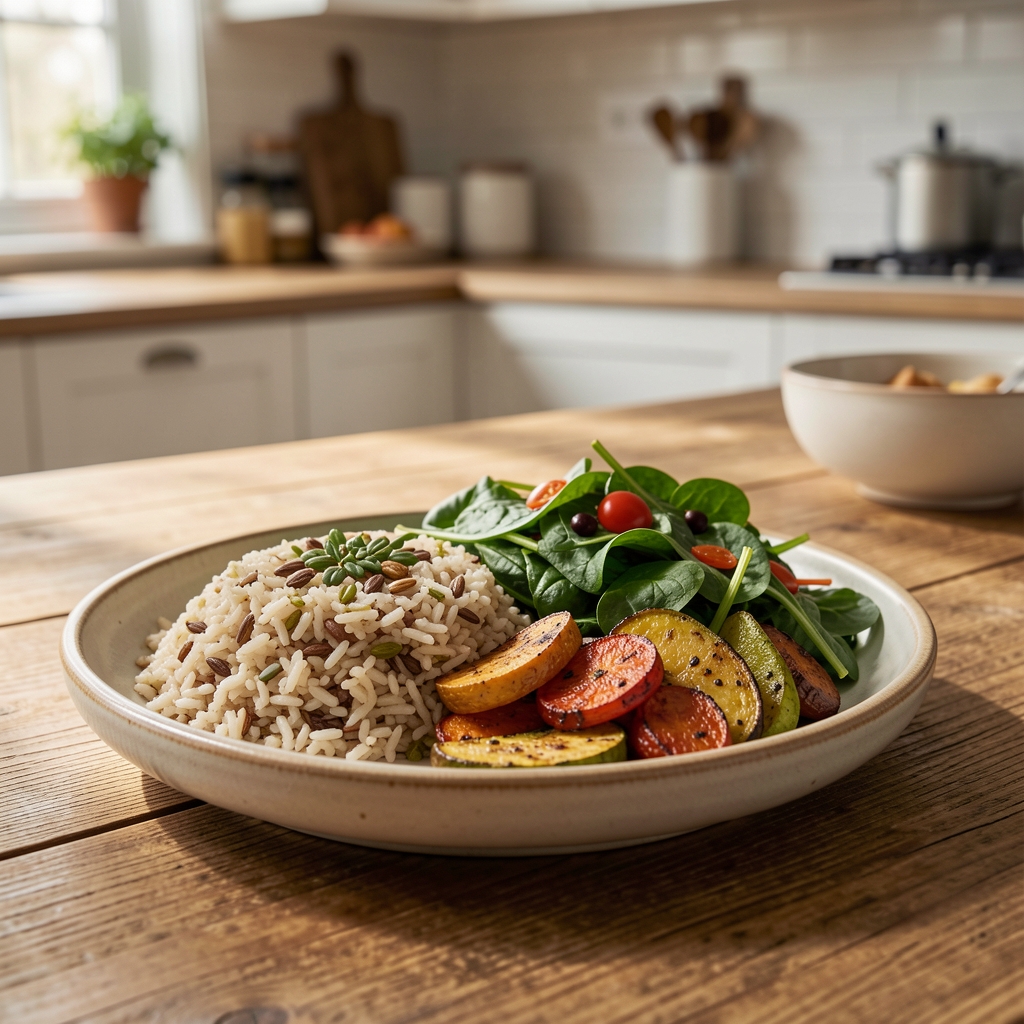
The structural role of minimally processed ingredients in supporting consistent energy and long-range nutritional balance across the day.
Practical frameworks for reading serving composition without calorie tracking — focusing on plate geometry, colour diversity, and satiety cues.
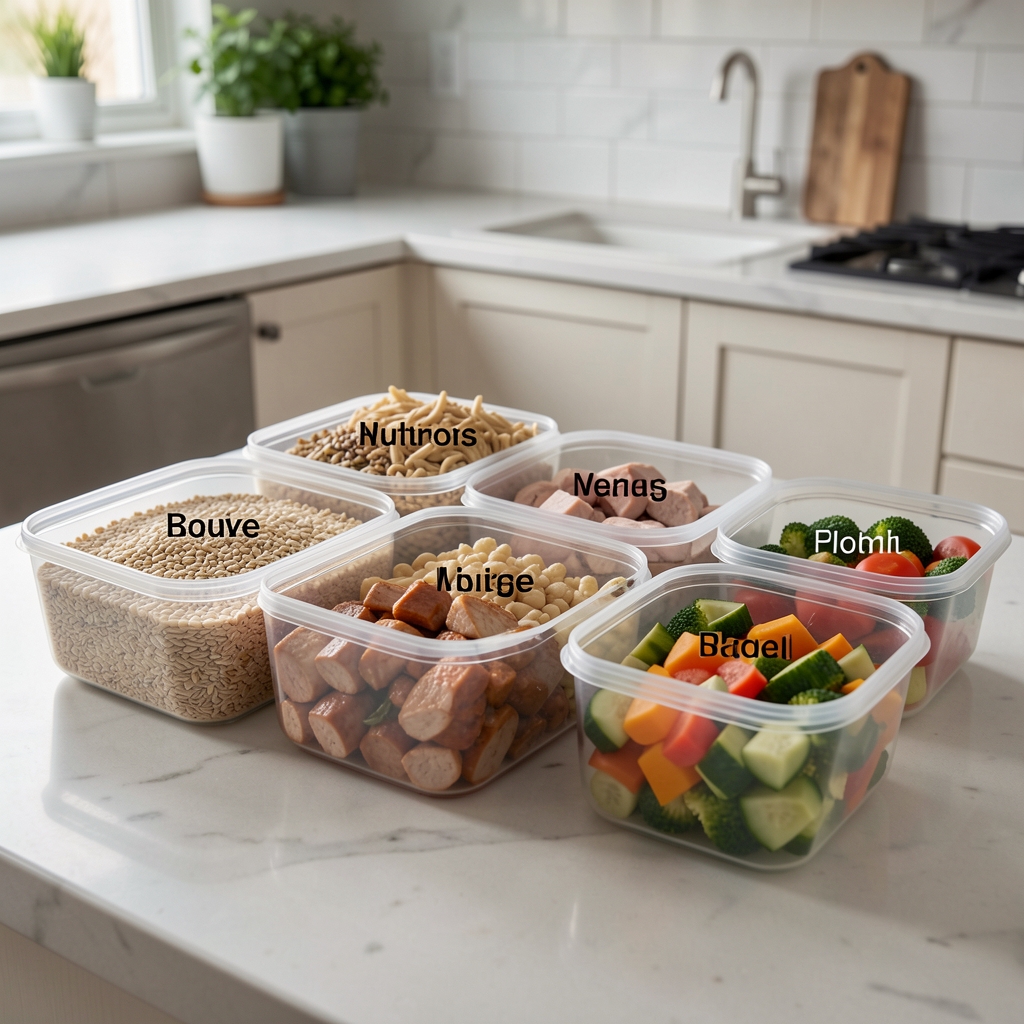
Weekly preparation patterns observed across nutrition-aware households — batch preparation, seasonal sourcing calendars, and pantry composition records.
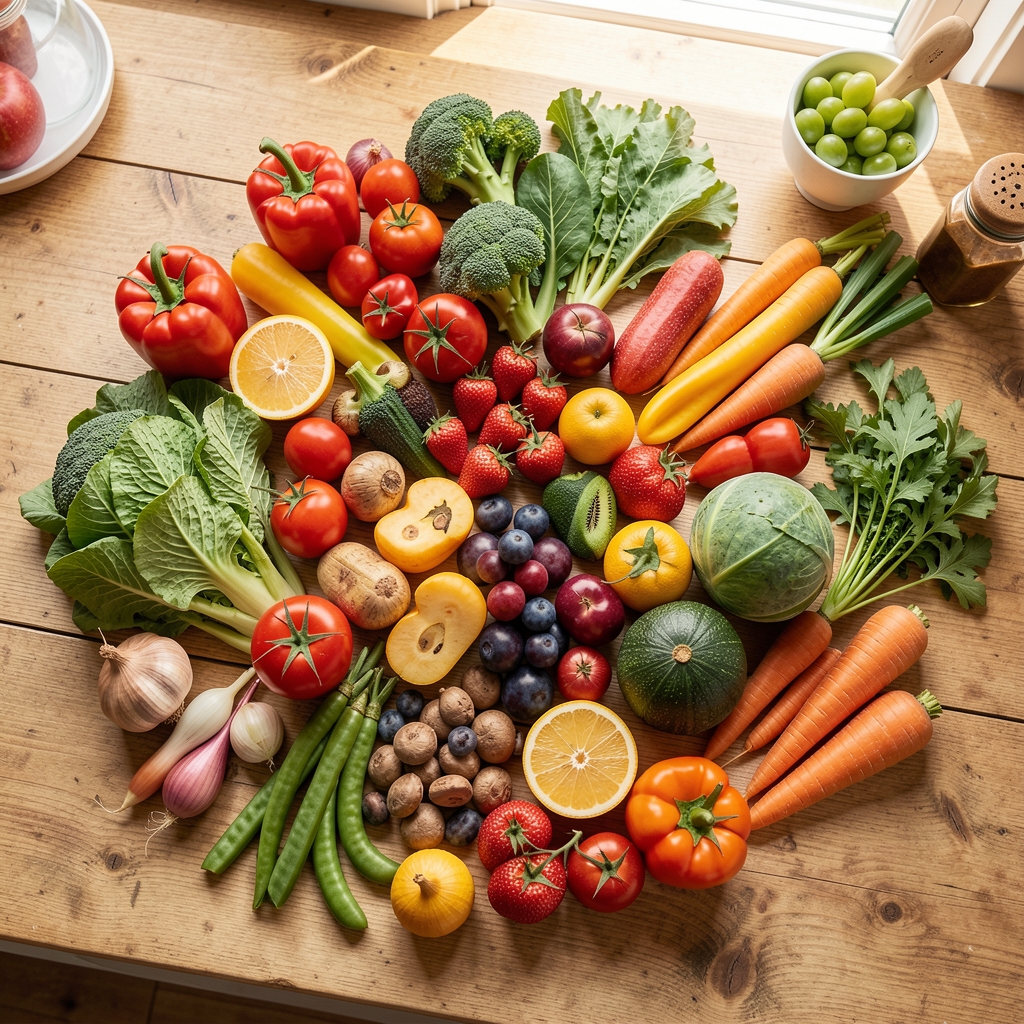
Ingredient profiles shift across the calendar year. Seasonal alignment with local produce reduces processing requirements and improves micronutrient density.
Attention-based eating practices — slowing the pace of meals, reducing ambient distraction, and developing an internal vocabulary for hunger and fullness signals.
Nutritional support for physically active routines — pre-activity and post-activity food choices grounded in evidence-based macronutrient distribution and timing.
Ramilova observes that the most durable nutritional outcomes arise not from short-term regimens but from the accumulation of ordinary daily decisions — the contents of a shopping basket, the allocation of time on a Sunday afternoon, the choice between convenience and composition.
The editorial lens here is practical and unhurried. Vegetables and fruits in their seasonal forms, legumes assembled into reliable proteins, grains that anchor a meal without dominating it. A real food approach that resists the language of optimisation while remaining attentive to nutritional outcomes.
About Ramilova
"The shift was not dramatic. One fewer processed product in the weekly shop, one additional vegetable in the evening meal. Over a season, the accumulation was substantial."
— Submitted observation, London, March 2026