Ramilova
01 Everyday Nutrition

Whole Food Nutrition

A reference for those building lasting food habits — observed through seasonal cooking, portion awareness, and the quiet logic of balanced meals assembled over time.
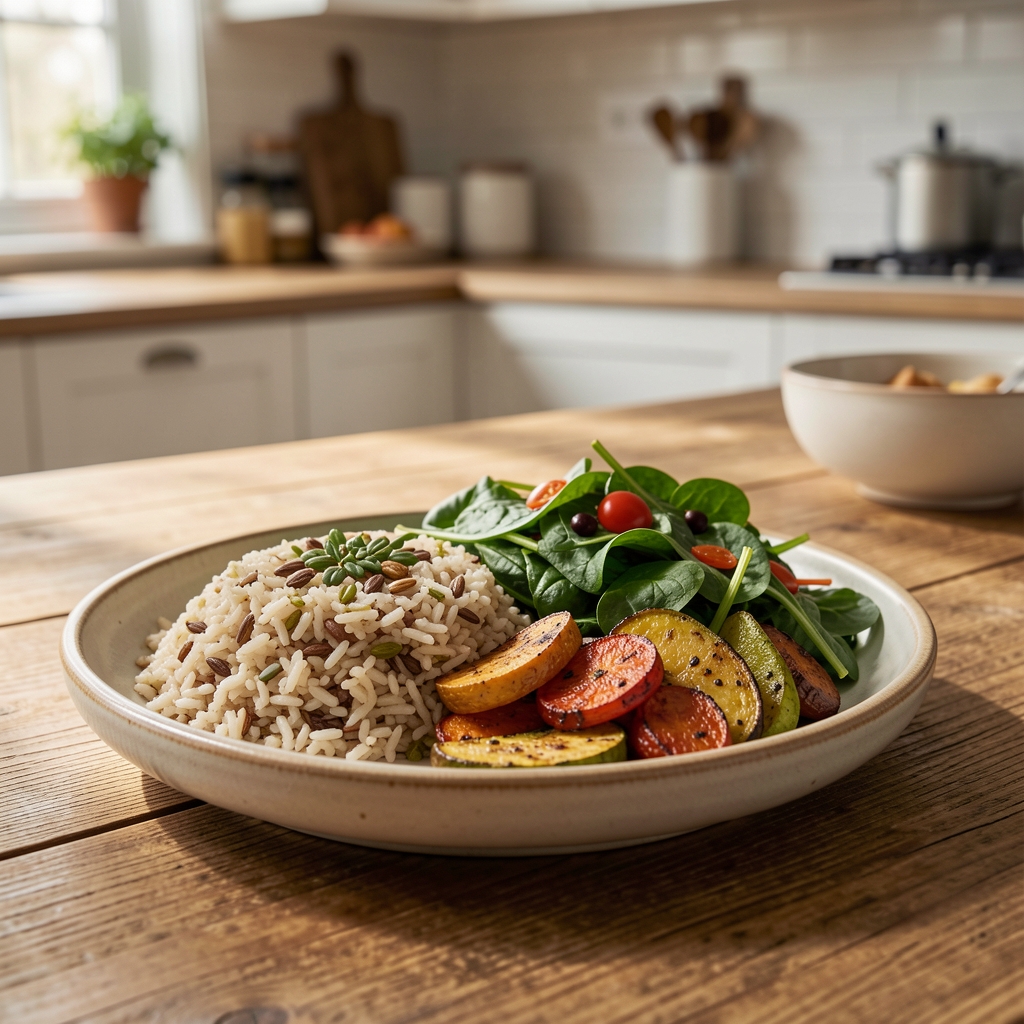
Freshly prepared balanced meal with whole grains, leafy greens and roasted vegetables arranged on a ceramic plate on a wooden kitchen table

Daily composition — whole food sourcing

Batch Record 2026-04
02 What We Cover

Six pillars of sound food habit formation

Whole Foods Foundation

The structural role of minimally processed ingredients in supporting consistent energy and long-range nutritional balance across the day.

Portion Awareness

Practical frameworks for reading serving composition without calorie tracking — focusing on plate geometry, colour diversity, and satiety cues.

Structured Meal Planning

Weekly preparation patterns observed across nutrition-aware households — batch preparation, seasonal sourcing calendars, and pantry composition records.

Seasonal Cooking

Ingredient profiles shift across the calendar year. Seasonal alignment with local produce reduces processing requirements and improves micronutrient density.

Mindful Eating

Attention-based eating practices — slowing the pace of meals, reducing ambient distraction, and developing an internal vocabulary for hunger and fullness signals.

Sport & Active Nutrition

Nutritional support for physically active routines — pre-activity and post-activity food choices grounded in evidence-based macronutrient distribution and timing.

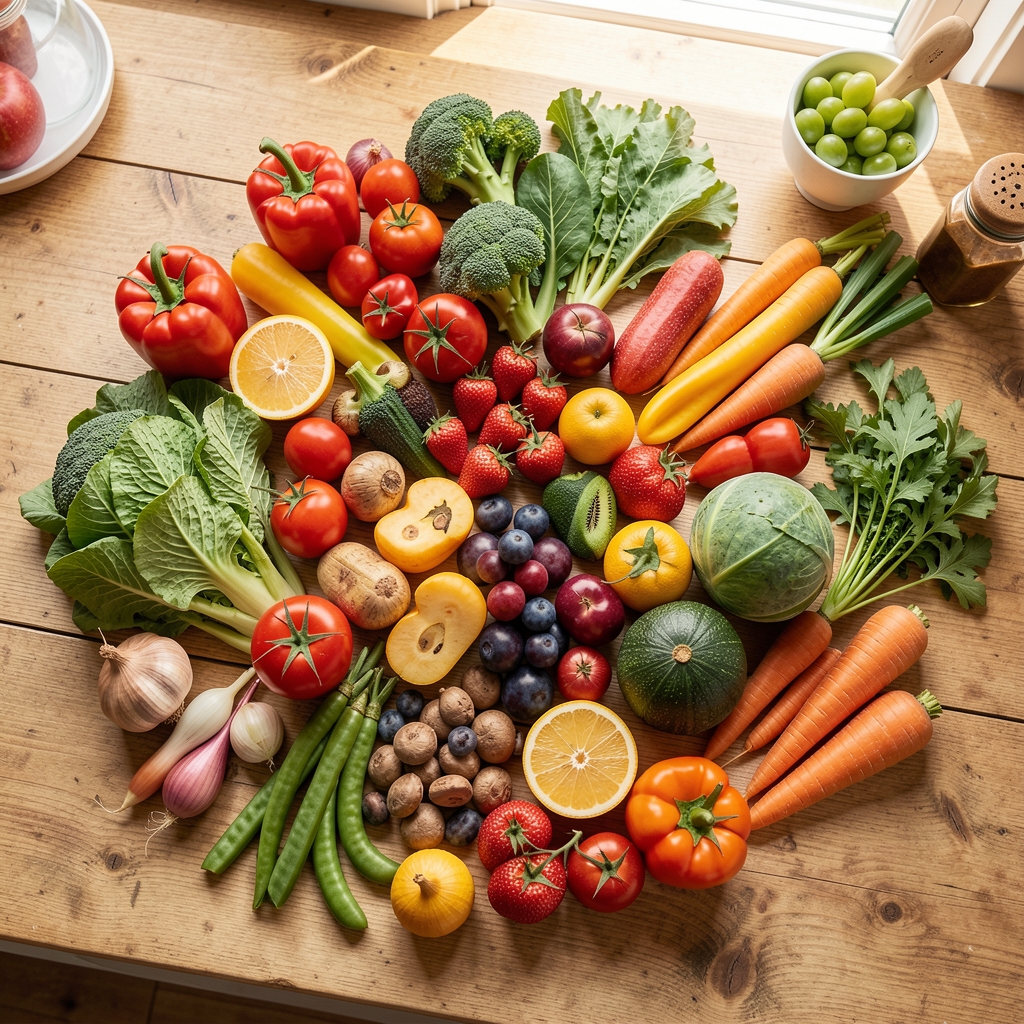
Overhead view of colourful vegetables and fruits spread across a wooden surface in a bright home kitchen, natural daylight lighting

Seasonal produce — origin documented

Sourcing Record 2026-03
03 The Real Food Approach

Food choices as a daily practice, not a periodic event

Ramilova observes that the most durable nutritional outcomes arise not from short-term regimens but from the accumulation of ordinary daily decisions — the contents of a shopping basket, the allocation of time on a Sunday afternoon, the choice between convenience and composition.

The editorial lens here is practical and unhurried. Vegetables and fruits in their seasonal forms, legumes assembled into reliable proteins, grains that anchor a meal without dominating it. A real food approach that resists the language of optimisation while remaining attentive to nutritional outcomes.

About Ramilova
12+
Documented Food Categories
340+
Seasonal Recipe Entries
6
Core Habit Frameworks
5yr
Nutrition Research Archive
04 From the Archive
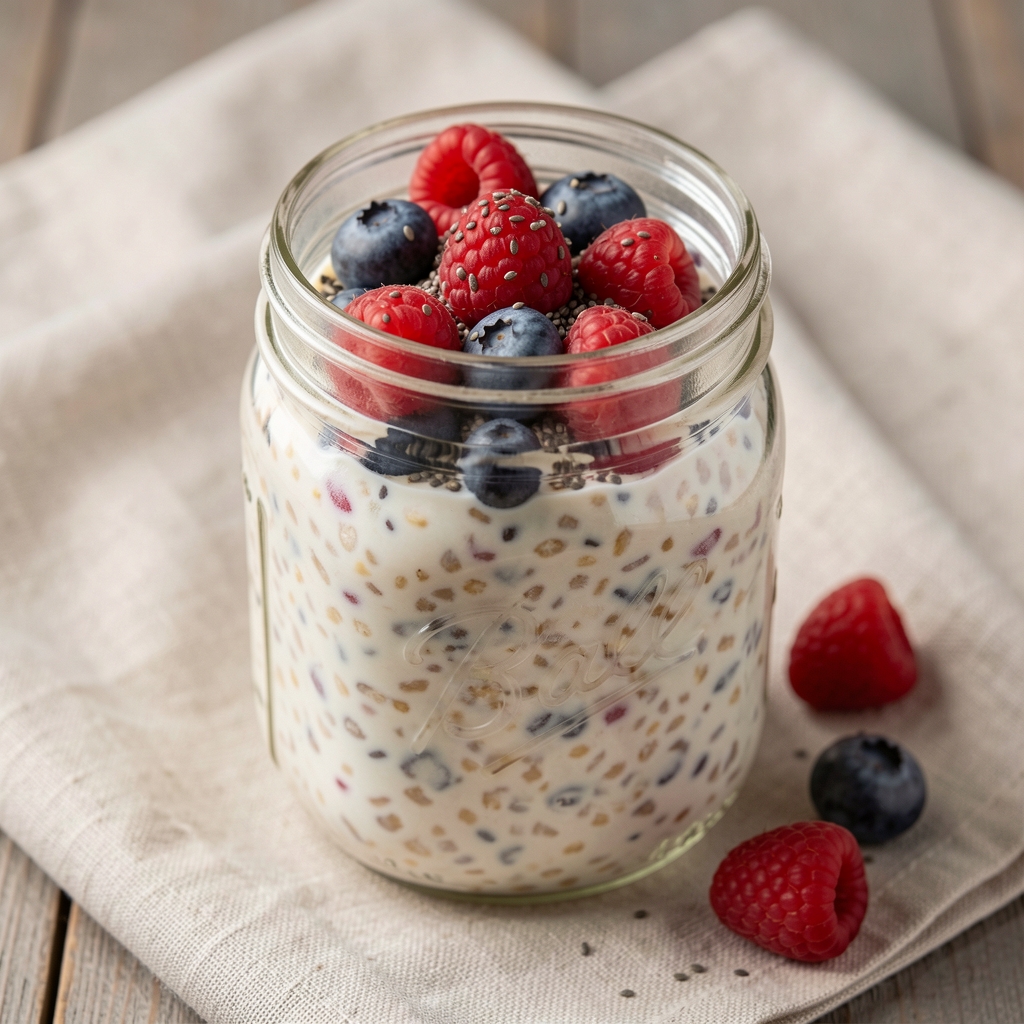
Close-up of a mason jar filled with overnight oats, topped with fresh berries and chia seeds on a light linen cloth

Overnight oats — gut-friendly composition

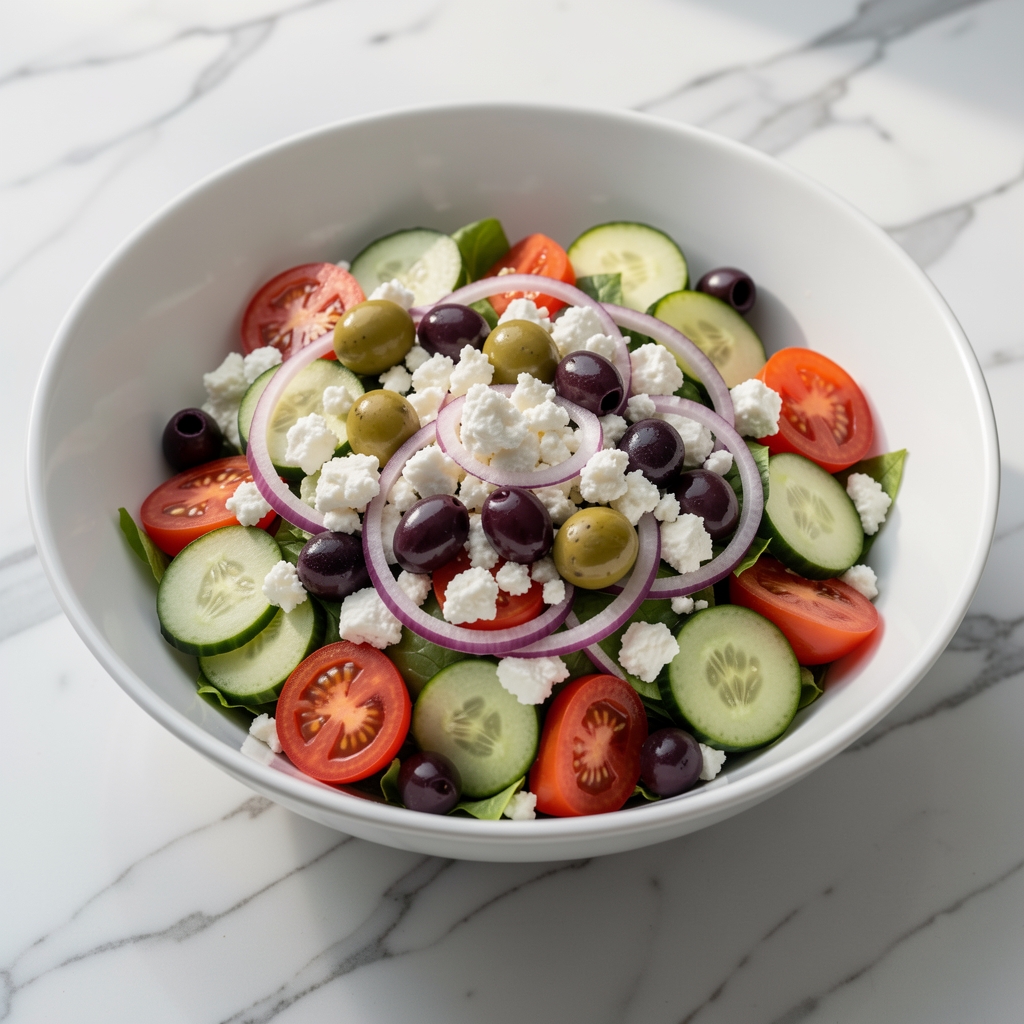
Mediterranean salad in a wide white bowl with cucumber, tomato, red onion, olives and crumbled white cheese, natural light on a marble surface

Mediterranean composition — portion record

Runner stretching beside a park path in morning light, wearing athletic clothing, focus on active lifestyle and outdoor fitness

Active routine — sport nutrition context

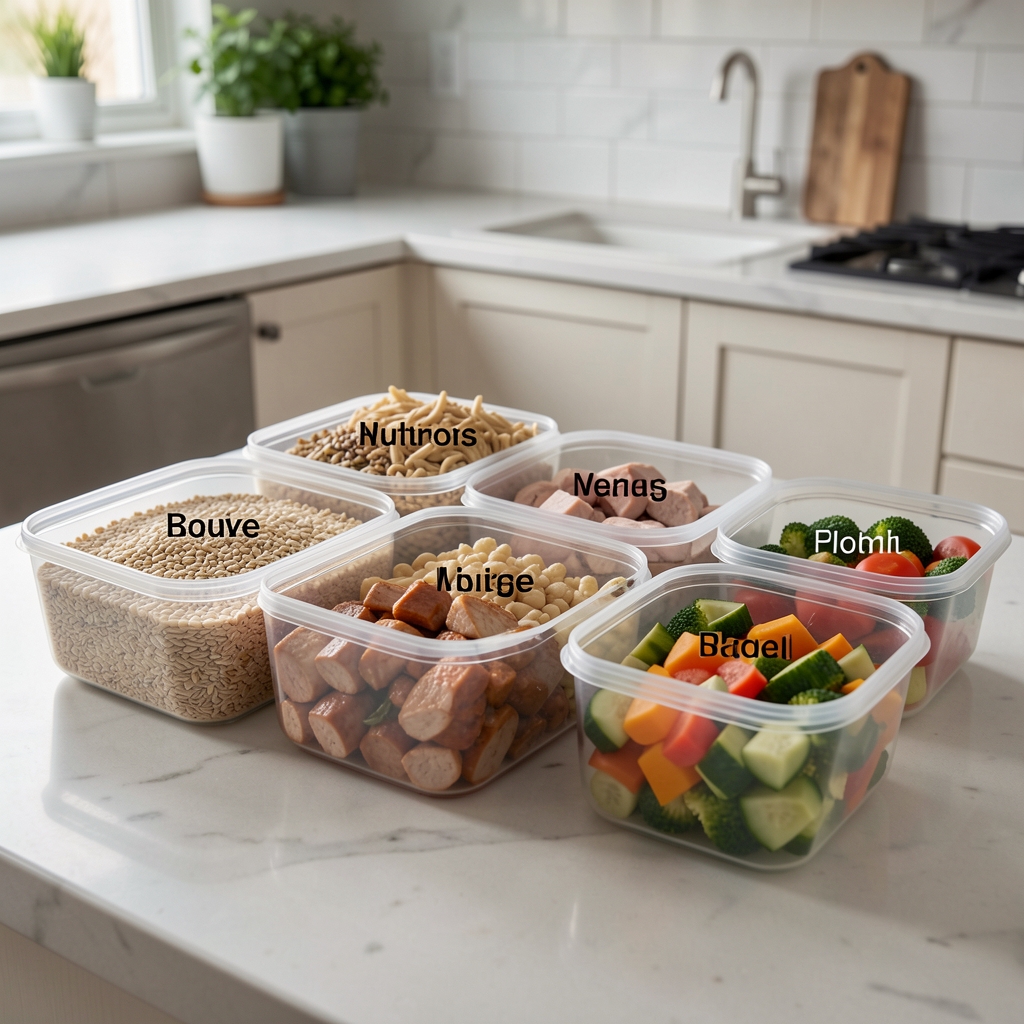
Meal prep containers neatly arranged on a kitchen counter with labelled portions of grains, proteins and vegetables ready for the week ahead

Weekly prep — batch record 2026

05 Common Questions

Frequently asked about food habit formation

A balanced meal is defined by compositional diversity rather than caloric limitation. It includes a protein source, a complex carbohydrate, a fat component, and a substantial vegetable portion — assembled in proportions that support sustained energy without creating a sense of deprivation. Restrictive frameworks typically remove entire food categories, which tends to reduce long-term adherence.
Seasonal produce reaches its compositional peak shortly after harvest. Purchasing within-season vegetables and fruits reduces the time between field and plate, which generally preserves a greater proportion of water-soluble micronutrients. It also anchors meal planning to a natural rotation, reducing the repetitive monotony that often undermines food habit consistency.
The gut microbiome responds to fibre diversity. Consuming a range of fermented foods, legumes, root vegetables, and whole grains across the week — rather than the same sources daily — supports a broader substrate for the gut environment. This is a practical consideration rather than a supplementary one: it operates through ordinary food choices at each meal.
Portion control operates on spatial and visual cues — the relative proportions of elements on a plate, the vessel size used, the pacing of a meal — rather than numerical targets. Calorie counting requires a precision that many find unsustainable over months. Portion awareness, once internalised, functions as a background habit rather than a foreground task.
Ramilova's editorial framework aligns with the positions of qualified nutrition professionals working within published research. Ingredient profiles and dietary observations are selected based on nutritional research accessible in peer-reviewed literature, rather than proprietary claims. We recommend speaking with a qualified wellness or nutrition professional before introducing any supplement to your daily routine, particularly if you have specific dietary requirements.
━━ READER OBSERVATION ━━
"The shift was not dramatic. One fewer processed product in the weekly shop, one additional vegetable in the evening meal. Over a season, the accumulation was substantial."

— Submitted observation, London, March 2026

06 Next Step

Begin with a single structured week of meals

Explore Services